Your Cart is Empty


by Scott Jaschik, Inside Higher Ed
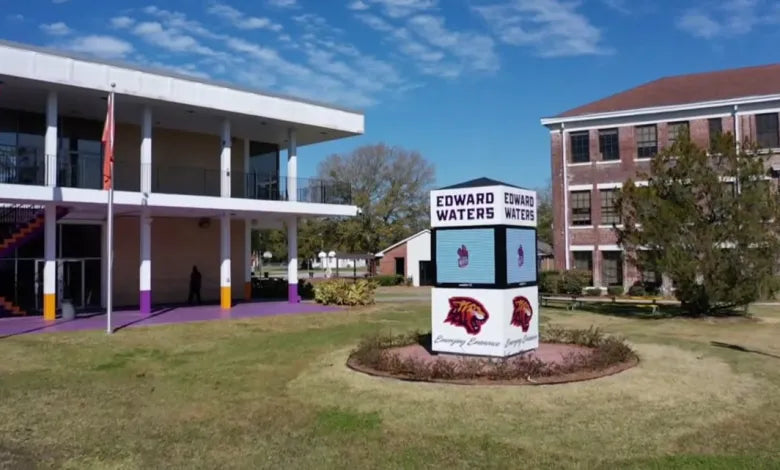
The university cited “core values and Christian tenets.” The Supreme Court has indeed ruled that private and religious college need not recognize unions, but some colleges do recognize them anyway.

by Emily Bobrow, The Wall Street Journal
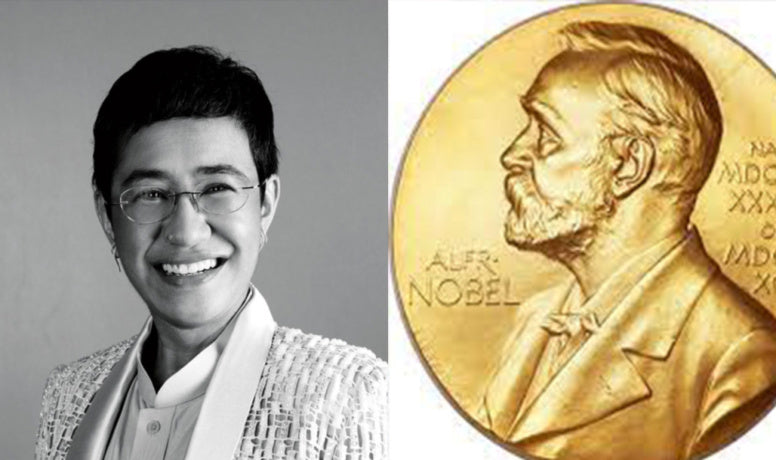
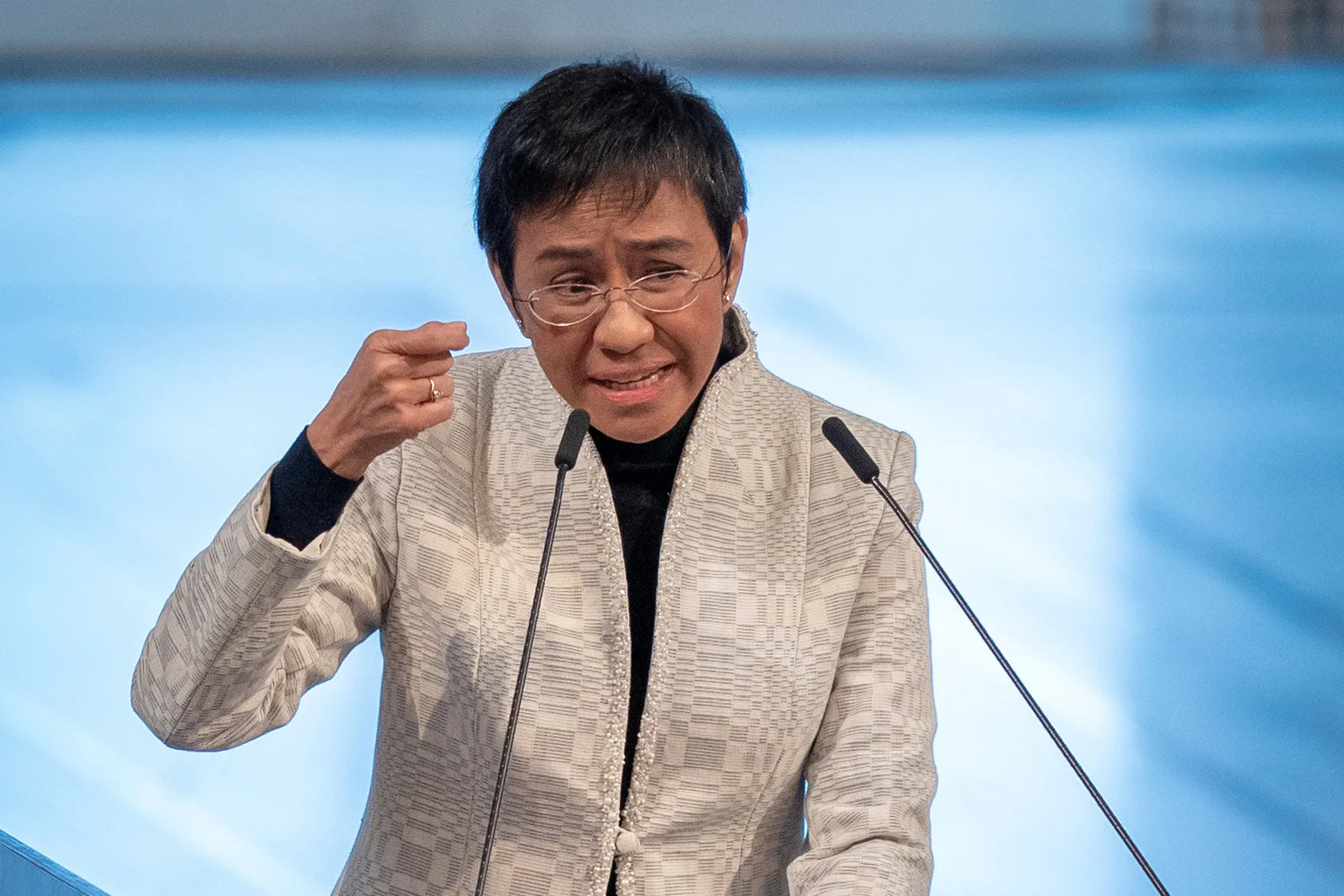
When the Philippine investigative journalist Maria Ressa won the 2021 Nobel Peace Prize, the committee called her “a fearless defender of freedom of expression” who “exposed the abuse of power, use of violence and increasing authoritarianism” of Rodrigo Duterte,

by Miriam Waldvogel and Jeannie Kim, Daily Princetonian
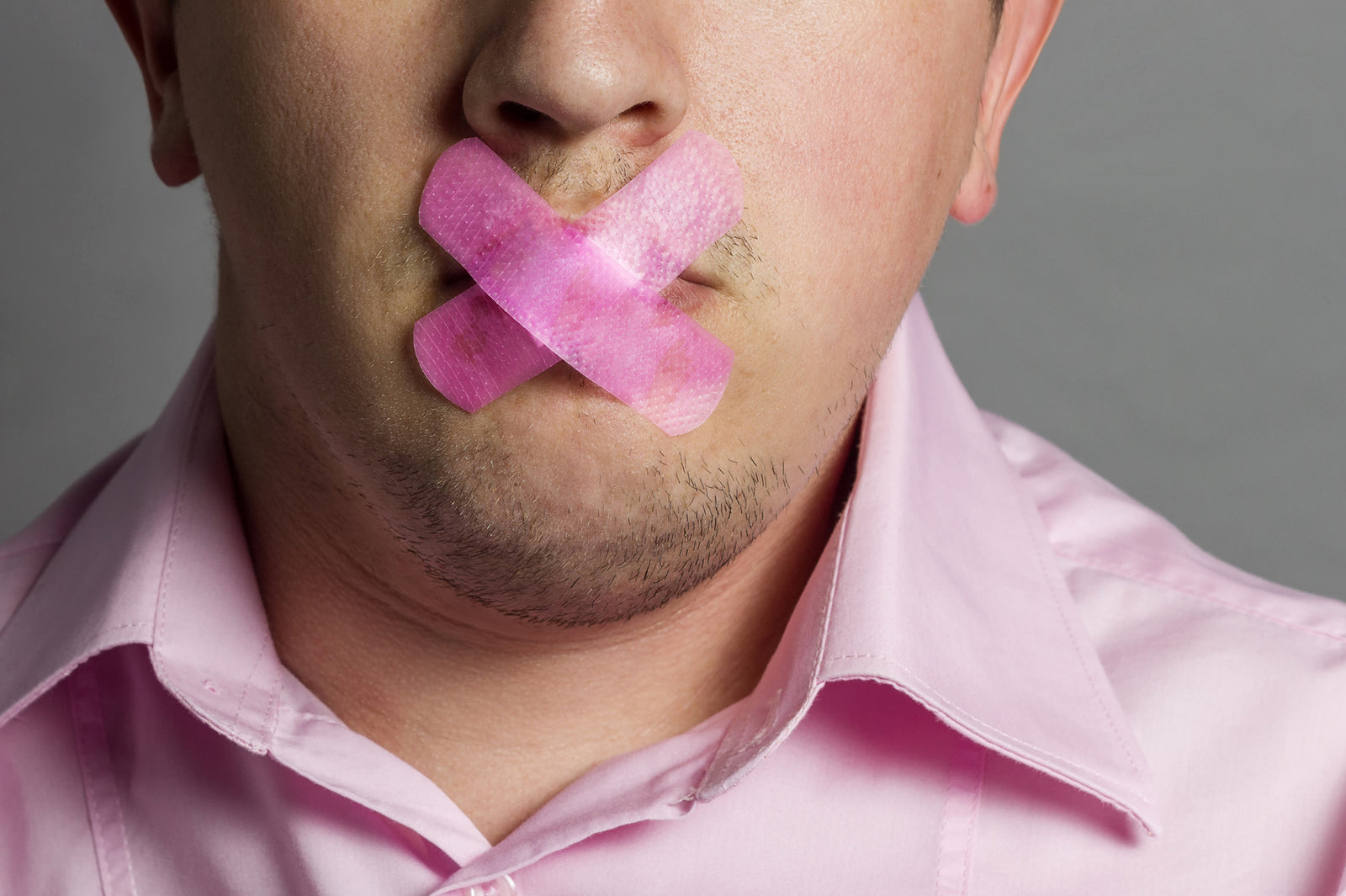
At a conference on Friday, May 5, executives from oil and gas companies British Petroleum (BP) and members of the University’s Carbon Mitigation Initiative (CMI), an academic research program within the High Meadows Environmental Institute, were met the sight of students lying on the Julius Romo Rabinowitz (JRR) atrium floor with their mouths duct-taped and eyes closed.

President Christopher Eisgruber ’83 is “very proud” of University students’ commitment to free speech, he said at an event hosted on Saturday by the Princeton Progressive Law Society.

by Jeremy Bauer-Wolf, Higher Ed Dive
The nation’s leading faculty group has accused Emporia State University of imperiling academic freedom when it laid off at least 30 professors last year over financial concerns.
In the latest example of students shutting down views they disagree with on campus, Whitworth University’s student government denied the campus Turning Point USA chapter’s request to invite Chinese dissident Xi Van Fleet to campus because of her criticism of “woke culture.”

PFS Editorial
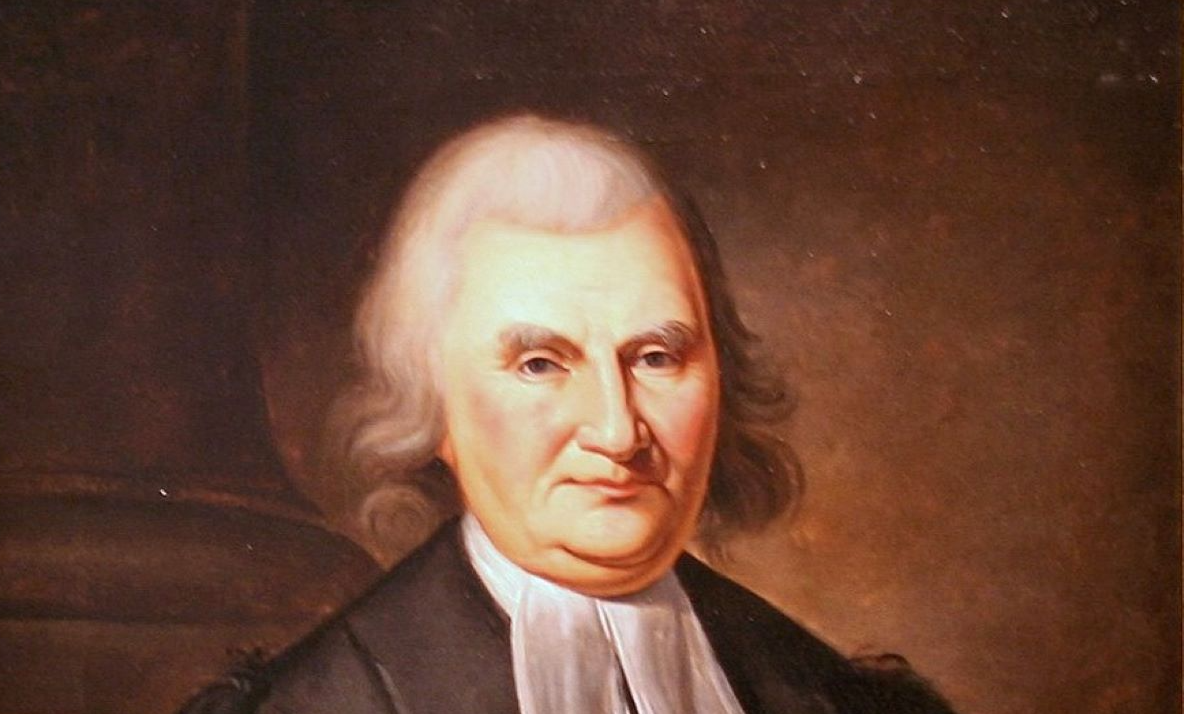
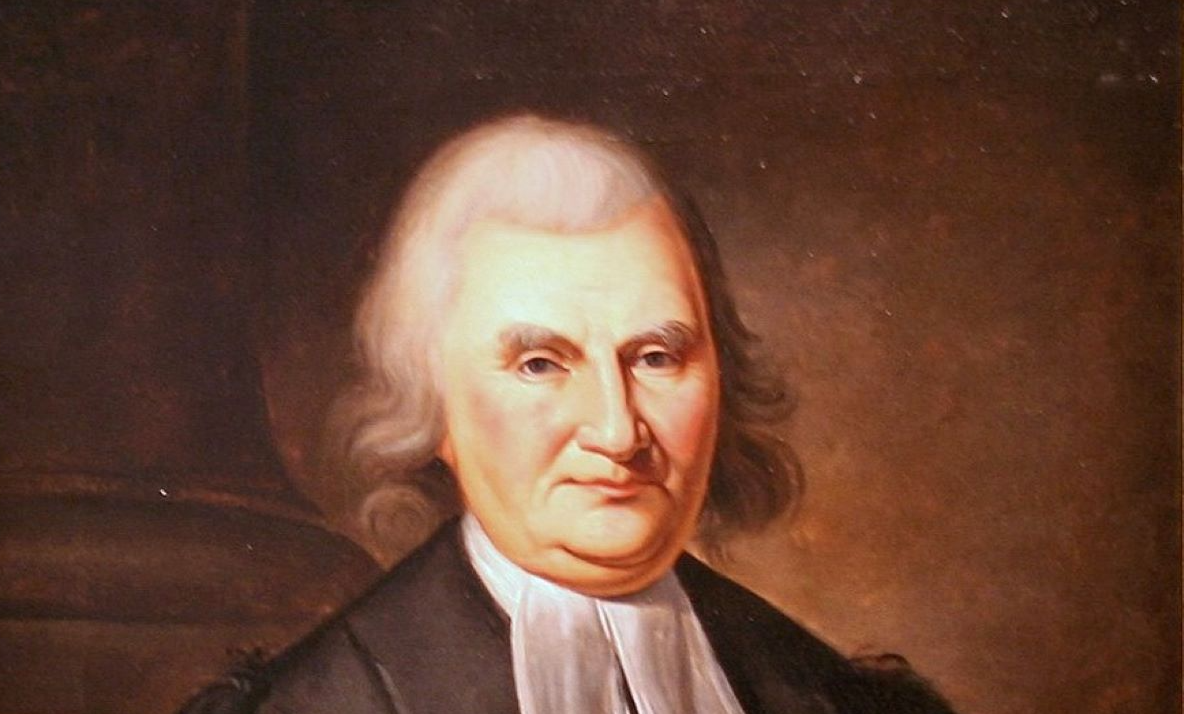
Much of the debate over the possible removal of the statue of John Witherspoon from the Princeton campus is based on information about Witherspoon’s involvement with slavery and the debate over abolition contained in the University’s Princeton & Slavery Project (the Project).

Permitting speakers to be shouted down, allowing demonstrators to block access to speeches, or failing to provide sufficient security to ensure that a speech will be delivered...

The extremist attacks on free speech (from right and left) degrade American democracy, and those attacks are especially acute on college campuses, whether they come from angry left-wing students who shout down conservative speakers or from vengeful right-wing legislators.

by Keith Whittington, Reason
The Academic Freedom Alliance recently released the third episode of The Academic Freedom Podcast. In that episode, I spoke with Brookings Institution scholar Jonathan Rauch.
PFS Editorial
Two recent developments show free speech is in serious trouble at Princeton. This week, the “2021 College Free Speech Ranking,” published by the Foundation for Individual Rights in Education (FIRE), placed Princeton dead last in the Ivy League on free speech and...
Dear President Eisgruber:
We, the undersigned students, write on behalf of the Princeton Open Campus Coalition (POCC), a group of undergraduates committed to the philosophy that a university cannot fulfill its mission without...
By Edward Yingling and Stuart Taylor Jr
Originally published in Real Clear Politics
In July 2020, a Princeton University professor, Joshua Katz, wrote an article containing provocative language that generated controversy on campus.
Editorial by Edward Yingling and Stuart Taylor, Jr.
Founders of Princetonians for Free Speech
It has been a very bad year for Princeton on free speech. Its reputation on this critical issue is in tatters.
by George F. Will
Squalls of indignation gust across campuses so frequently that they seem merely performative — synthetic, perfunctory, uninteresting. Princeton’s current contretemps, however, fascinatingly illustrates how wokeness, which lacks limiting principles, limits opposition to itself.

by Eleanor Clemans-Cope, The Daily Princetonian
George F. Will GS ’68 recently took to the pages of the Washington Post, where he is a regular columnist, to announce to the world that wokeness at Princeton is destroying free speech.
By Adam Gussow ’79 *00
[T]hat brings me to the second mode of civil disobedience. There's a time when the operation of the machine becomes so odious, makes you so sick at heart that you can't take part!

By Sergiu Klainerman (Higgins professor of mathematics at Princeton), Heterodox STEM, Substack
The scientific enterprise in United States is being seriously challenged by powerful anti-scientific trends. Postmodern relativism, under the pretense of anti-racism, anti-sexism, anti-colonialism, anti-ableism... is undermining the very foundations of science as a search for truth.

by Asher Lehrer-Small, The Guardian
Since Texas lawmakers in 2021 passed a ban on lessons teaching that any one group is “inherently racist, sexist or oppressive”, a little-noticed provision of that legislation has triggered a massive fallout for civics education across the state.


by Johanna Alonso, Inside Higher Ed
Students at the State University of New York at Albany don’t view their recent protest of Ian Haworth, a conservative writer and podcaster who has made provocative statements about transgender people, as a disruption of his speaking engagement on campus.

Maria Ressa, Class of 1986, received the Nobel Peace Prize in 2021 for her efforts to safeguard freedom of expression in the Philippines.


by Kevin DeYoung, PrincetoniansForFreeSpeech.org
As of the online publication of this essay, Princeton University is still deciding what to do with Witherspoon...

by Megan Zahneis, Chronicle of Higher Education
Recently proposed and passed legislation that targets tenure and diversity, equity, and inclusion efforts is having a chilling effect on the recruitment of faculty members and administrators in Florida and Texas, where some of the highest profile laws and bills of that type have been undertaken.

by David Jesse, Chronicle of Higher Education
The tales are swapped in conference-hotel hallways or over quiet dinners: controversial speakers attracting rowdy protests, professors drawing fire for an offhand comment during a lecture and then posted online, legislators trying to codify what can and can’t be taught in classrooms.

On April 22, the Daily Princetonian released the results of its highly anticipated annual Senior Survey. This year’s Senior Survey simply captures a snapshot of Princeton’s marred free speech culture. Those looking for the cause of the decay can find some answers in the many institutional failures that have taken place during my three years here: an accomplished professor’s highly politicized firing

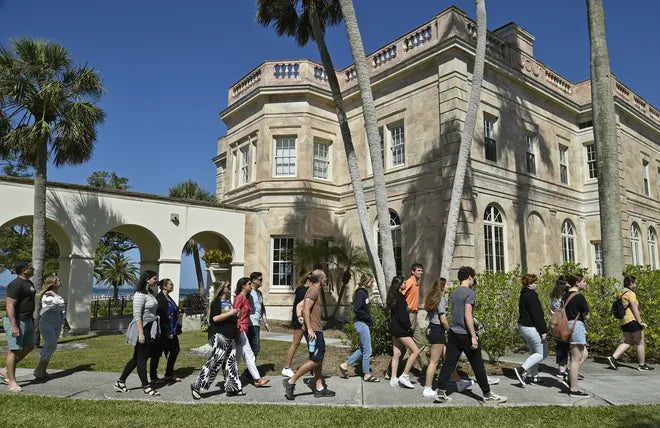
The meeting of New College of Florida’s Board of Trustees on Wednesday afternoon began with a full hour of fierce criticism from members of the community, as dozens of professors, students, and parents lambasted what they view as a hostile takeover of the institution by a Republican governor with likely presidential ambitions.

We write this to alert faculty, students, and the administration of the appointment of Ronen Shoval as Research Scholar and Lecturer in Politics, and to invite us to reflect on who we want to appoint to teach our students.

Aaron Hillegass attended New College of Florida as an undergraduate, had a successful career as a software engineer, and returned to the school this January to teach in its new data science program.

by Matthew Wilson & Mile McKnight
Welcome to Princeton! This fall, if you so choose, you will walk through FitzRandolph Gate and join an intellectually vibrant community united by a desire to pursue knowledge, test ideas, and be challenged.

We have joined with 50 colleagues to create a new Council on Academic Freedom at Harvard. It’s not about us. For many years we have each expressed strong and often unorthodox opinions with complete freedom and with the support, indeed warm encouragement, of our colleagues, deans, and presidents.