

by Scott Jaschik, Inside Higher Ed
Excerpt:
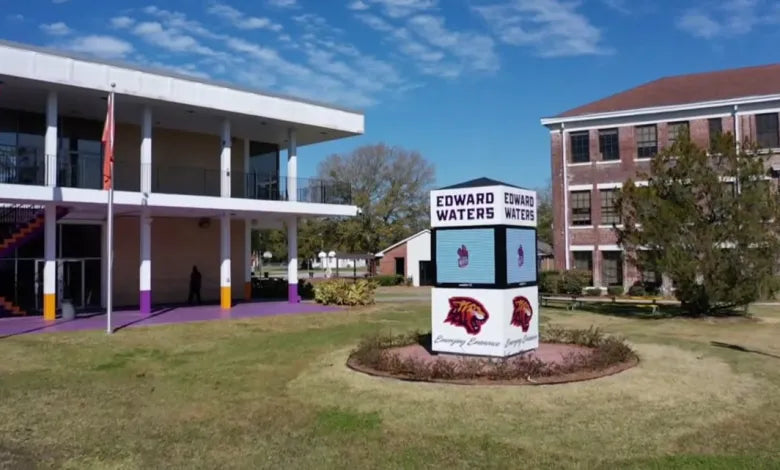
The university cited “core values and Christian tenets.” The Supreme Court has indeed ruled that private and religious college need not recognize unions, but some colleges do recognize them anyway. For 21 years, Edward Waters has done so.
Faculty criticized the decision. Kenneth Davis, a criminal justice professor and president of the faculty union, said, “De-recognizing the union is a union-busting tactic, so it makes it harder to keep people engaged. The union is a bargaining organization for the faculty. It helps to support academic freedom, which involves free speech, the ability to challenge and speak out and do research and present that research without fear of retribution.”
If you are inclined to be skeptical of the reform movement — some would call it an assault — targeting higher education, much of it driven by political conservatives, a spate of recent scandals in red states will seem to confirm your suspicions.
A week before colleges must report years of admissions data to the federal government, a group of Democratic state attorneys general sued the Trump administration to block what they say is an unlawful demand.
In recent weeks, colleges and the institutional research offices tasked to collect and report the data have been sounding the alarm about the looming deadline. An association recently requested a three-month extension. The Education Department responded with a conditional three-week extension.
Almost immediately after Donald Trump took office for the second time, the White House and the Department of Education launched a shock-and-awe assault against its perceived foes in higher education, announcing a new investigation or seizure of funding seemingly every week. Their targets appeared overwhelmed by the speed and severity of the offensive.
But the aggressive pace that won the administration so many early victories eventually proved to be its great weakness. The government could move so quickly only by skipping almost all of the procedural steps required by federal law. Once universities and their allies recovered from their shock and challenged the Trump administration, they were able to block many, if not most, of the White House’s moves in court. Trump has certainly left his mark on America’s universities. But he has not broken them.