Commentary: We’re TikToking closer to the end of free speech

Abigail Rabieh March 20, 2024 1 min read

Abigail Rabieh
Daily Princetonian

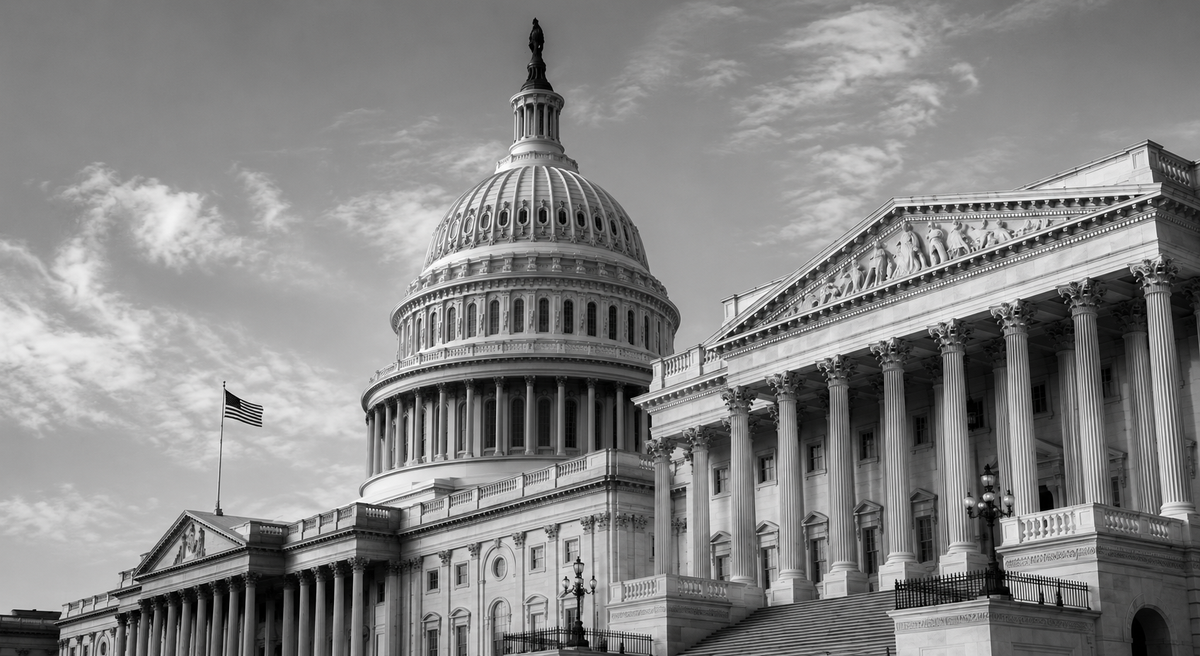
Excerpt: When the Indian government banned TikTok almost 4 years ago, then-Secretary of State Mike Pompeo praised the measure as something that would “boost India’s sovereignty.” Now, the U.S. government is contemplating a bill that could do the same. Last Wednesday, the House of Representatives approved legislation that would, if it became a bill, force TikTok Inc., a U.S. company, to find a new parent company that “satisfies the U.S. government” or risk a ban in the United States.

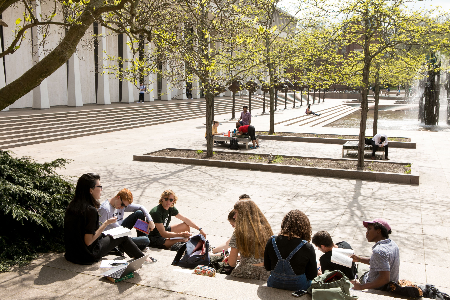
Much of the current outrage on this bill might appeal to college students — of which 82 percent use the app — because it could block their ability to access content they find enjoyable. But they should be far more concerned by the readiness of our government to curb our First Amendment rights and impede the expression of our core democratic values.

Click here for link to full article

Leave a comment

Comments will be approved before showing up.


Also in Princeton Free Speech News & Commentary

Civic Education Centers Are Booming. The AAUP Wants Them Gone.

By Tal Fortgang ‘17 July 14, 2026 6 min read

Faith in higher education continues to plummet, and the American Association of University Professors (AAUP)—the nation’s leading organization representing faculty interests and a longstanding voice on academic freedom and university governance—has decided to train its guns on the growing movement to establish civic education centers at public universities. The AAUP’s objections amount to a single, unlovely demand: we get to decide what students learn, and nobody else gets a vote.

Read More
Is Anthropology Hopelessly Politicized?

Stephanie M. Lee July 14, 2026 1 min read

Six days after the report went online, the AAA fired back with a full-throated defense. “Anthropologists welcome rigorous critique of the discipline,” wrote its president, Carolyn M. Rouse. “What we cannot accept is a sweeping verdict about anthropology’s intellectual culture, scholarly practices, and professional norms built on selective evidence and issued without consultation. 

Read More
Princeton’s Return to Proctored Exams Reflects Changing Times

Julie Bonette July 07, 2026 1 min read

Since faculty voted in may to proctor in-person exams, national news outlets and some alumni have decried the end of Princeton’s 133-year-old tradition of unsupervised testing, but students, faculty, and recent graduates say the conversation within the campus community has been mild.

Read More