Kian Petlin
Daily Princetonian
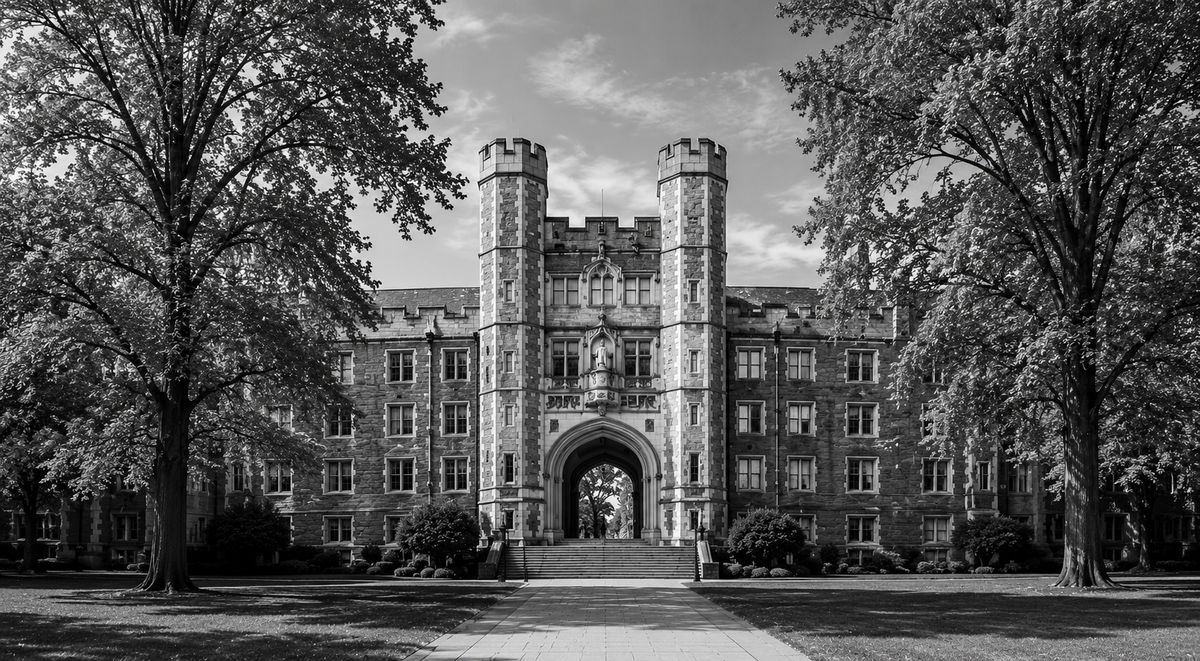
Excerpt: University President Christopher Eisgruber ’83 spoke out against the Trump administration’s higher education compact in a LinkedIn post on Oct. 10, calling the proposed agreement on university funding “a dangerous step in the wrong direction.”
He also thanked the presidents of the Association of American Universities (AAU), and the American Association of Colleges and Universities (AAC&U) for opposing the compact, which was sent to nine universities, including Brown, Dartmouth, and the University of Pennsylvania in early October.
Comments will be approved before showing up.
Faith in higher education continues to plummet, and the American Association of University Professors (AAUP)—the nation’s leading organization representing faculty interests and a longstanding voice on academic freedom and university governance—has decided to train its guns on the growing movement to establish civic education centers at public universities. The AAUP’s objections amount to a single, unlovely demand: we get to decide what students learn, and nobody else gets a vote.
Six days after the report went online, the AAA fired back with a full-throated defense. “Anthropologists welcome rigorous critique of the discipline,” wrote its president, Carolyn M. Rouse. “What we cannot accept is a sweeping verdict about anthropology’s intellectual culture, scholarly practices, and professional norms built on selective evidence and issued without consultation.
Since faculty voted in may to proctor in-person exams, national news outlets and some alumni have decried the end of Princeton’s 133-year-old tradition of unsupervised testing, but students, faculty, and recent graduates say the conversation within the campus community has been mild.