
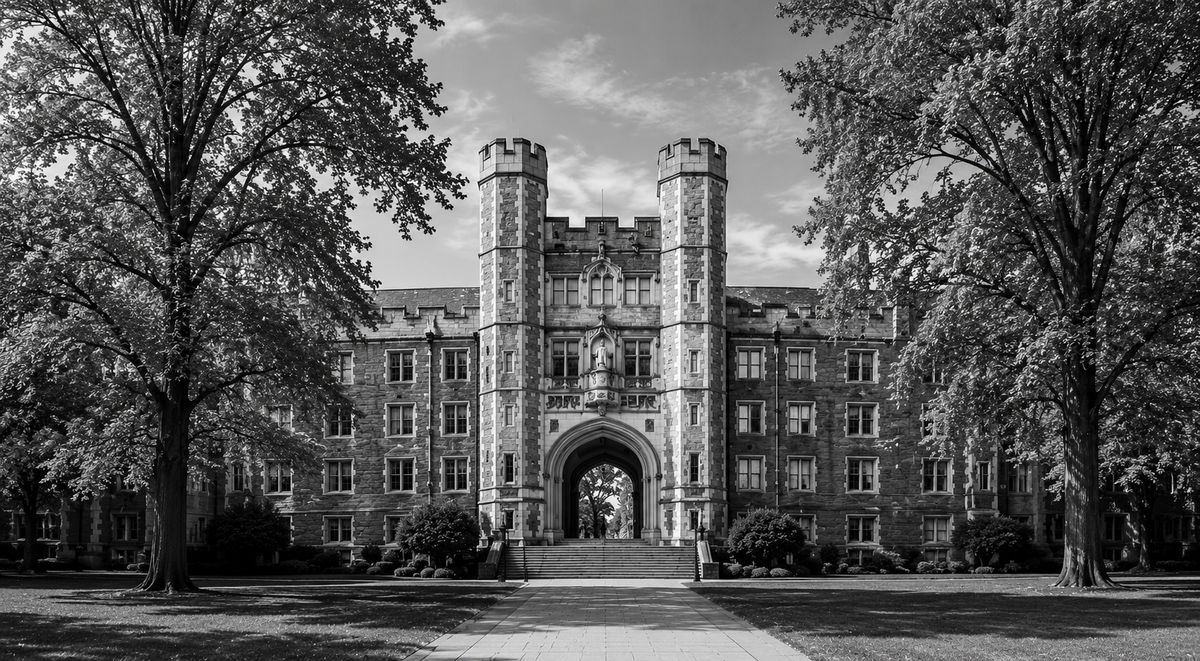

Devon Williams and Giselle Moreno
Daily Princetonian
A proposal for proctoring on all examinations will be considered by two faculty committees before potentially reaching a faculty vote in May, according to Dean of the College Michael Gordin. This unprecedented proposal comes amid administrative concerns about cheating, especially given the prevalence of generative AI tools.
The change would constitute the most significant alteration to date to Princeton’s honor system since its establishment in 1893. Under the Honor Code, students pledge both to refrain from infractions of academic dishonesty and to report any academic integrity breaches they witness.
Comments will be approved before showing up.
Faith in higher education continues to plummet, and the American Association of University Professors (AAUP)—the nation’s leading organization representing faculty interests and a longstanding voice on academic freedom and university governance—has decided to train its guns on the growing movement to establish civic education centers at public universities. The AAUP’s objections amount to a single, unlovely demand: we get to decide what students learn, and nobody else gets a vote.
Six days after the report went online, the AAA fired back with a full-throated defense. “Anthropologists welcome rigorous critique of the discipline,” wrote its president, Carolyn M. Rouse. “What we cannot accept is a sweeping verdict about anthropology’s intellectual culture, scholarly practices, and professional norms built on selective evidence and issued without consultation.
Since faculty voted in may to proctor in-person exams, national news outlets and some alumni have decried the end of Princeton’s 133-year-old tradition of unsupervised testing, but students, faculty, and recent graduates say the conversation within the campus community has been mild.