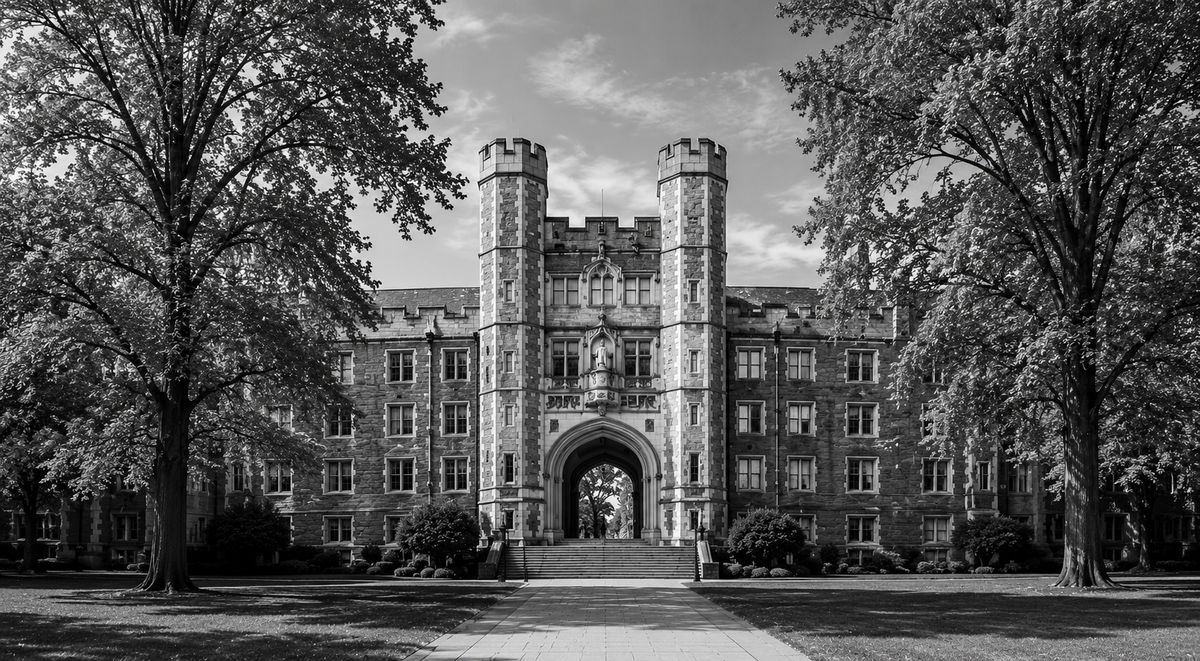
Incidents in political speech at Princeton, throughout the 20th century

Victoria Davies and Lia Opperman November 07, 2023 1 min read

Victoria Davies and Lia Opperman
Daily Princetonian

Excerpt: Amid the ongoing conflict in Israel and Palestine, political speech has been in the spotlight on campus. University President Christopher Eisgruber ’83 spoke with “Bloomberg Markets: The Close” on Oct. 10 about protecting free speech on campus in light of the war. He referenced an orientation module that first-years complete about respecting free speech and engaging in civil dialogue.

Click here for link to full article


Leave a comment

Comments will be approved before showing up.


Also in Princeton Free Speech News & Commentary

Princeton and peers soften opposition to attacks on higher education in graduation speeches

Devon Rudolph  September 03, 2026 1 min read

Since the start of President Donald Trump’s second term, top colleges and universities have faced an onslaught of federal attacks: slashing grant money for research, pressuring schools to end diversity, equity, and inclusion programs, cracking down on visas for international students, and ending graduate program sponsorship for active duty military at top schools. However, some Ivy League universities — the center of many of Trump’s ongoing attacks — have decreased messaging on the potential consequences of these federal directives.

“One thing that’s been clear is that a lot of universities have felt that publicity would bring no advantage or do them no good,” history professor David Bell GS ’91, who has been outspoken about federal actions against universities, said in an interview with The Daily Princetonian.

Read More
A Princeton Professor’s Advice to Young Conservatives

Robert P. George  August 27, 2026 1 min read

As a professor who is known to dissent from progressive ideologies that are dominant at universities such as Princeton, where I’ve taught for nearly 40 years, I’m frequently asked by students for advice about how to navigate a campus they worry will be hostile to them. Some are pro-Israel, or politically and socially conservative, or religiously observant.

They fear being treated unfairly by faculty members who are hostile to their beliefs. Many are afraid of being regarded as outcasts by their more liberal or progressive peers. They worry about being excluded from academic opportunities or not treated equitably in social or other extracurricular activities. To these students I say, with regret: You’re right to worry. I’ve seen these things happen.

Read More
Why some colleges are banning AI in the classroom — and why that's a good thing

Tal Fortgang August 27, 2026 5 min read

Universities may be tempted to treat these capabilities as inevitable improvements in education. Students will be able to consume vast amounts of information, more than ever before. But like AI writing itself, such consumption would be vast but shallow. The more interesting possibility, then, is that AI will force universities to rediscover the value of intellectual work that cannot be outsourced.

Read More