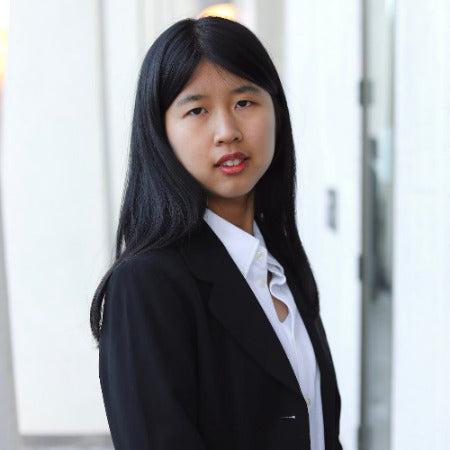
Professors Robert P. George, Tom Ginsburg, Robert Post, David Rabban, Jeannie Suk Gersen, and Keith Whittington
Substack on Academic Freedom
Excerpt: We write as scholars of academic freedom to respond to the proposed Compact for Academic Excellence in Higher Education. We are politically diverse and do not share common views about the wisdom of particular proposals contained in the Compact. Nor do we agree on the extent or substance of the reforms needed in American higher education today. We are, however, united in our concern about key features of the proposed Compact.
The power to punish extramural speech has been abused against both conservative and liberal speakers in the past. The requirement of the Compact that universities and colleges censor students and faculty who voice support for “entities designated by the U.S. government as terrorist organization” imposes overly intrusive regulation of constitutionally protected speech.
Comments will be approved before showing up.
Faith in higher education continues to plummet, and the American Association of University Professors (AAUP)—the nation’s leading organization representing faculty interests and a longstanding voice on academic freedom and university governance—has decided to train its guns on the growing movement to establish civic education centers at public universities. The AAUP’s objections amount to a single, unlovely demand: we get to decide what students learn, and nobody else gets a vote.
Six days after the report went online, the AAA fired back with a full-throated defense. “Anthropologists welcome rigorous critique of the discipline,” wrote its president, Carolyn M. Rouse. “What we cannot accept is a sweeping verdict about anthropology’s intellectual culture, scholarly practices, and professional norms built on selective evidence and issued without consultation.
Since faculty voted in may to proctor in-person exams, national news outlets and some alumni have decried the end of Princeton’s 133-year-old tradition of unsupervised testing, but students, faculty, and recent graduates say the conversation within the campus community has been mild.