
Liza Libes
Minding the Campus
Excerpt: Ivy League applications are down, and Ivy League schools have begun to panic. Over the past few weeks, America’s most coveted schools welcomed the early decision cohort of the class of 2029. Yet unlike in previous years, which saw a consistent increase in the number of applications and a corresponding decrease in acceptance rates, the data from this year’s admissions pool told a different story.
Comments will be approved before showing up.
The letter, dated February 12, on South Florida State College letterhead and hand delivered by the Director of Human Resources, contained four sentences.
I would be placed on administrative leave with pay till the end of my contract. The contract would not be renewed. I would be relieved of all teaching duties immediately. A concluding sentence offered contact information if I had any questions.
I had many.
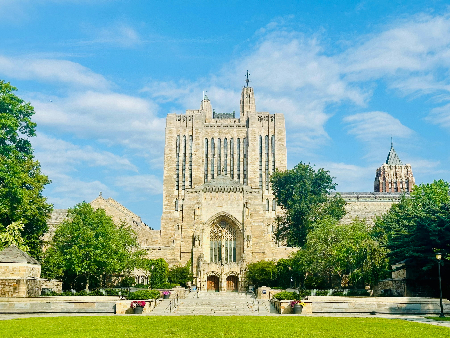
Students returned to campus this fall after a tumultuous summer for Yale’s relations with the federal government. Since the start of the second Trump administration, universities have faced heightened pressure through threats to federal research funds, criticism of diversity policies and scrutiny into alleged antisemitism on campuses, and many of them have reached settlements. Yale seemed to be an exception. But not anymore.
As the academic year begins, the status and details of the federal negotiations remain unclear, although University President Maurie McInnis has released several comments about Yale’s talks with the federal government as pressure mounts against any settlement with the Trump administration. The ongoing period of uncertainty in the negotiations “may well continue, and we do not know for how long,” McInnis wrote in an Aug. 21 message to the Yale community.
Earlier this month, the Pentagon ordered 30 universities to audit their ties with certain overseas institutions of concern, or else risk future federal funding. Few details have emerged about the universities’ responses as of Monday, the deadline to comply. One, the University of North Carolina at Chapel Hill, has confirmed publicly that it’s ending a study-abroad program in China.
The list of concerning foreign partners, often called the “1286 List” for the relevant section of the National Defense Authorization Act, is maintained by the Department of Defense. It was most recently updated in July. “These institutions have been confirmed to engage in activities that increase the likelihood of U.S. government-funded research and development efforts being misappropriated,” according to a news release from the Pentagon.