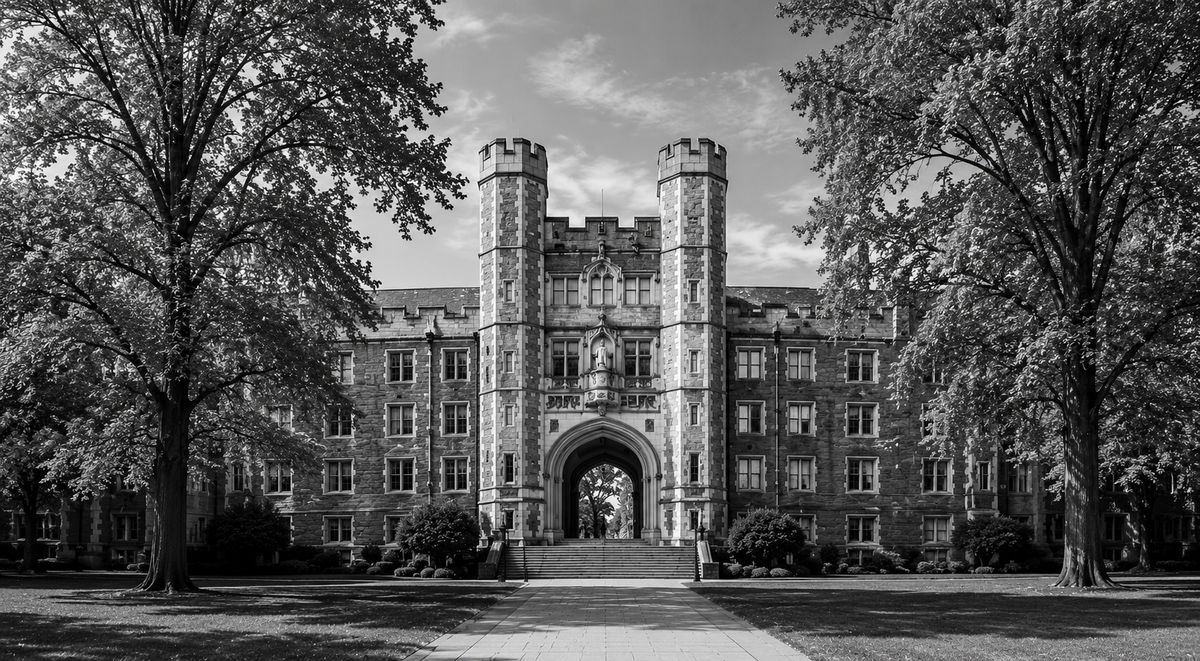
On July 29, Vanderbilt University’s board of trustees announced the release of “The University And Its Purpose: A Declaration of First Principles.” Under the guidance of Chancellor Daniel Diermeier, this declaration marks an alarming threat to free expression and represents the worst attack yet by a Board of Trustees against academic values.
The Report, and the follow-up disciplinary reports now being issued, raise uncomfortable questions for professors and for university leaders alike. Are there limits to professors’ freedom to conduct research and teach courses however they think best? Do university leaders dare intervene if scholarship becomes excessively politicized?
Last summer, a former student journalist asked the University of Michigan’s student paper The Michigan Daily to take down or anonymize an article they had written more than 10 years ago. The article mentioned their involvement in a movement calling for the school to divest from companies associated with the Israeli government. In the email, they explained that their partner was a green card holder, and they were about to travel abroad with their young child. They worried they would not be allowed back.
If you’re looking for a reason to despair over the state of American education, there are many places you could start. Something that deserves more attention is damage to free expression—not in the classroom but in the public sphere of high school: the realms of student newspapers, student government, and other aspects of everyday life. School is meant to prepare students for the real world, but too many institutions are training kids to be silent.
Higher education in the United States and the faculty members central to its mission are under unprecedented, destructive, and sustained attack, part of a larger assault on democratic governance, civil society, and knowledge itself.
Anonymous sources told The New York Times that Yale has sought a deal with the federal government to end an investigation into its undergraduate and graduate admissions, and has hired the law firm that helped the University of Virginia settle last fall.