
Olga R. Rodriguez
Associated Press
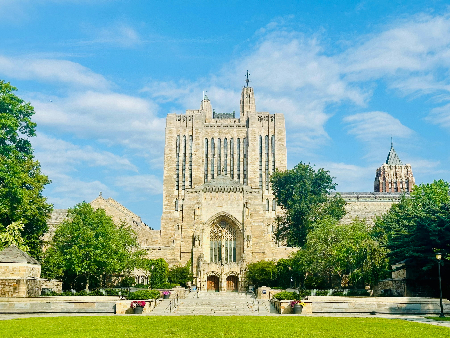
A trial began Friday for five current and former Stanford University students who occupied the university president’s offices during a pro-Palestinian protest in 2024 — in a rare instance of demonstrators facing trial for actions from the wave of campus protests that year.
Prosecutors accused the demonstrators of spray-painting on the building, breaking windows and furniture, disabling security cameras and splattering a red liquid described as fake blood on items throughout the offices. The university is seeking $329,000 in restitution.
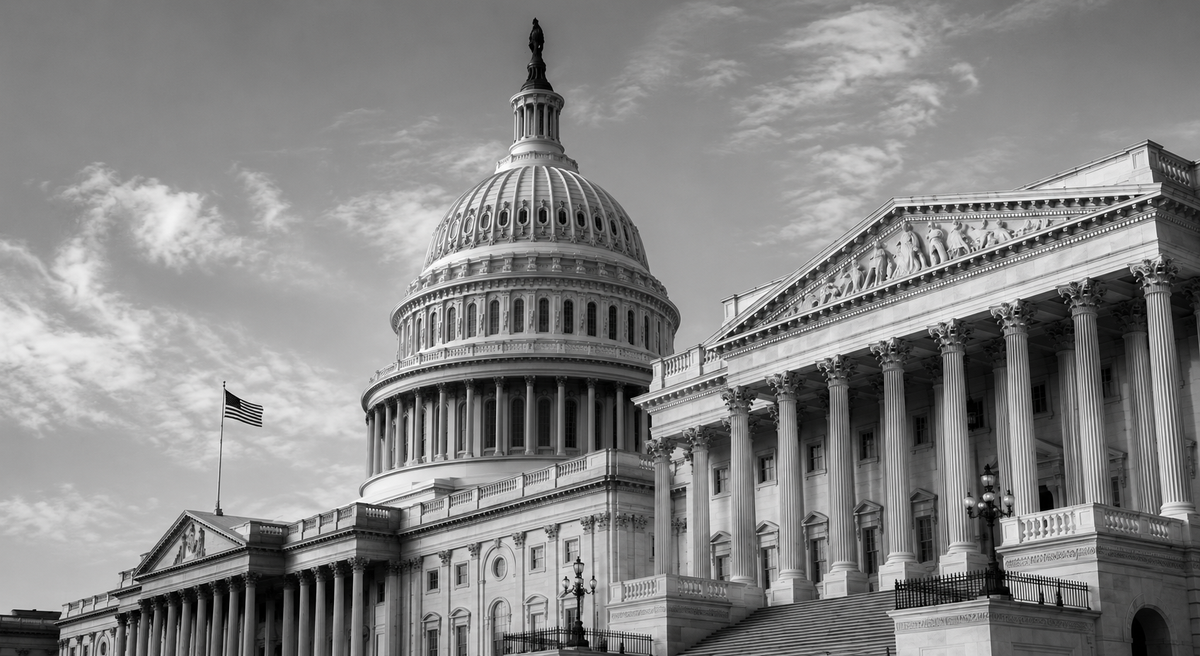
Several hundred feet from the White House, down a concrete path and across a quiet brick courtyard adorned with historical markers lie the doors to a small courthouse. The Court of Federal Claims, a legal venue where the U.S. government is always the one being sued. The building is now poised to be the site of fights over droves of terminated research grants.
Although it’s the latest iteration of a court that’s existed since 1855, predating Lincoln’s election, it’s not a well-known institution. It’s not the subject of on-screen, steamy legal dramas. But the U.S. Supreme Court’s preliminary rulings last year have elevated its importance for higher ed.
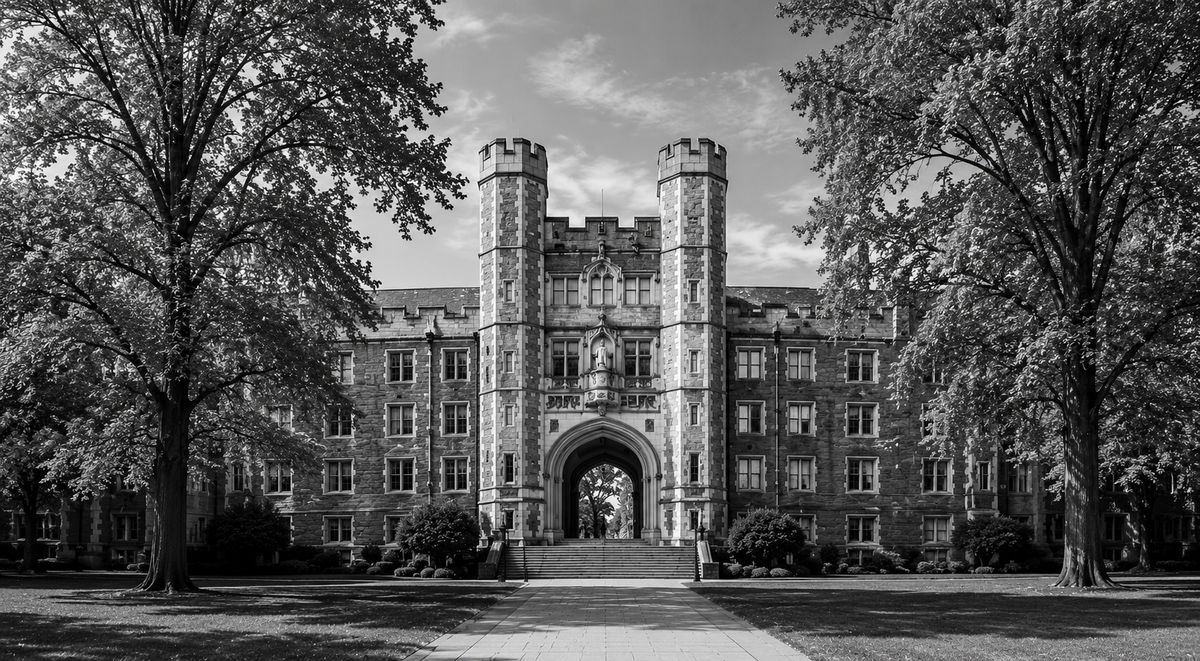
A Buckley Institute report last month on the predominance of Democrats on the Yale faculty sparked criticism from conservatives about political imbalances in higher education — and prompted an apparent response from Yale.
On Dec. 1, the organization released its Yale Faculty Political Diversity Report, which reported that 82.3 percent of the 1,666 faculty members examined are registered Democrats or primarily support Democratic candidates. Of the remaining faculty, 2.3 percent were found to be Republicans with the remaining 15.4 percent not affiliated with either major party. Of 43 departments that grant undergraduate degrees, 27 had no Republican faculty members at all, according to the report.
The Network of Enlightened Women works on dozens of U.S. college campuses to amplify the voices of conservative young women who are questioning progressive orthodoxies. Free Expression associate editor Mary Julia Koch spoke recently with Karin Lips, the founder and president of NeW, about her mission to support conservative women in college and in their careers, and how she’s pushing back on the left’s definition of feminism.