March 11, 2023
By Matthew Wilson
The university’s bias-reporting system utterly fails to uphold the school’s stated commitment to ‘protect and promote free expression.’
Read the entire article here: https://www.nationalreview.
RocaNews is one of those new platforms growing by the seemingly simple acts of building trust and conducting on-the-ground reporting in the places the New York Times promised to do. They believe their readers are smart enough to form their own opinions. At least that was being claimed on February 19th in McCosh Hall at an event entitled RocaNews, Non-Partisan Reporting, and the Fight against Legacy Media organized by the Princeton Open Campus Coalition (POCC). RocaNews currently has 2 million instagram followers, 651,000 YouTube subscribers, and a daily newsletter sent to over 200,000 subscribers. If that growth is not enough to convince you that they are doing something right, you can see for yourself through a myriad of ways, all focused on ease of access and user experience. Roca uses Instagram and newsletters to build a go-to news community based on factual, on-the-ground reporting.
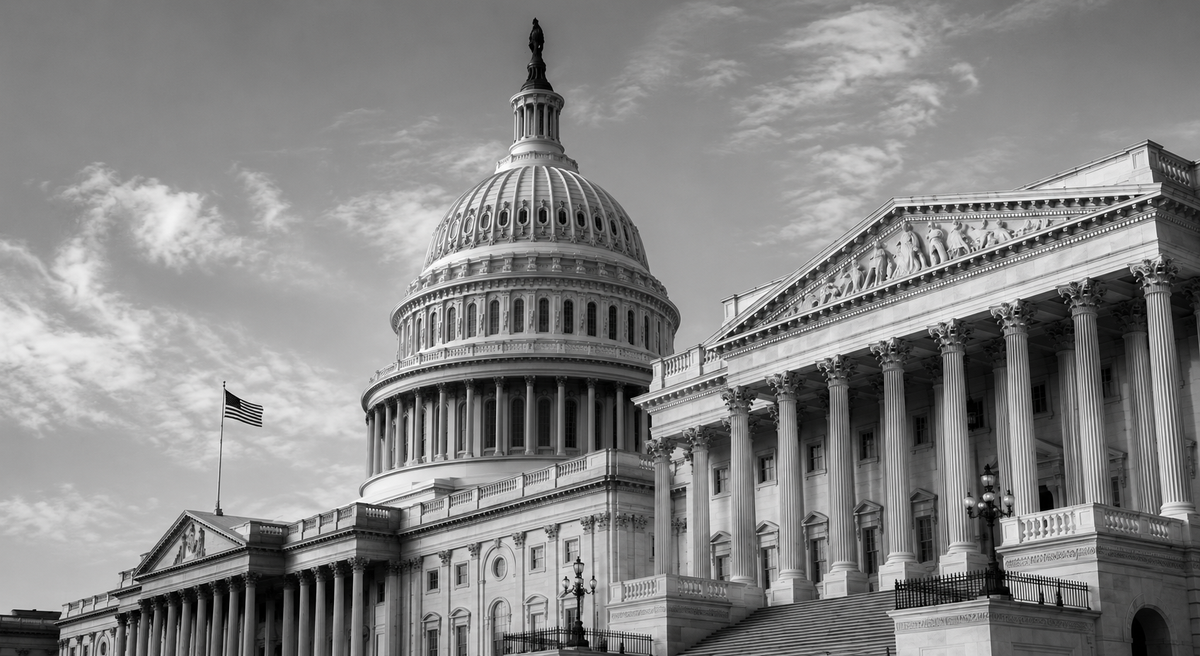
On Friday, January 23, 2026, several students from Princeton University marched to the top of Capitol Hill, joining tens of thousands of Americans in the National March for Life. Originating just months after the legalization of abortion in Roe v. Wade (1973), the National March for Life inaugurated the first major public conversation on the sanctity of life and a constitutional protection of the unborn. Today, four years after the overturn of Roe in Dobbs v. Jackson Women’s Health Organization (2022), the march still serves as a platform for individuals to express their hopes and visions for the future of the Pro-Life movement.
Having experienced the tangible and transformative power of free speech evident in the march, four Princeton students have graciously agreed to share thoughts both about their participation in the march and also about the overall experience with pro-life dialogue on campus.
On February 19, the Princeton Council on Academic Freedom hosted Erwin Chemerinsky, Dean of the Berkeley School of Law at the University of California, Berkeley, to discuss his forthcoming book Campus Speech and Academic Freedom: A Guide for Difficult Times, co-authored with Howard Gillman. Chemerinsky described universities as operating in a moment of political pressure, as debates over Israel–Palestine, race, gender identity, and other charged issues intensify scrutiny of campus speech.
Throughout the talk, Chemerinsky argued that free speech is truly tested when we defend free expression we detest.