Commentary: On the occupation of Clio Hall and the treatment of Graduate School staff

Cole M. Crittenden May 01, 2024 1 min read

Cole M. Crittenden
Daily Princetonian

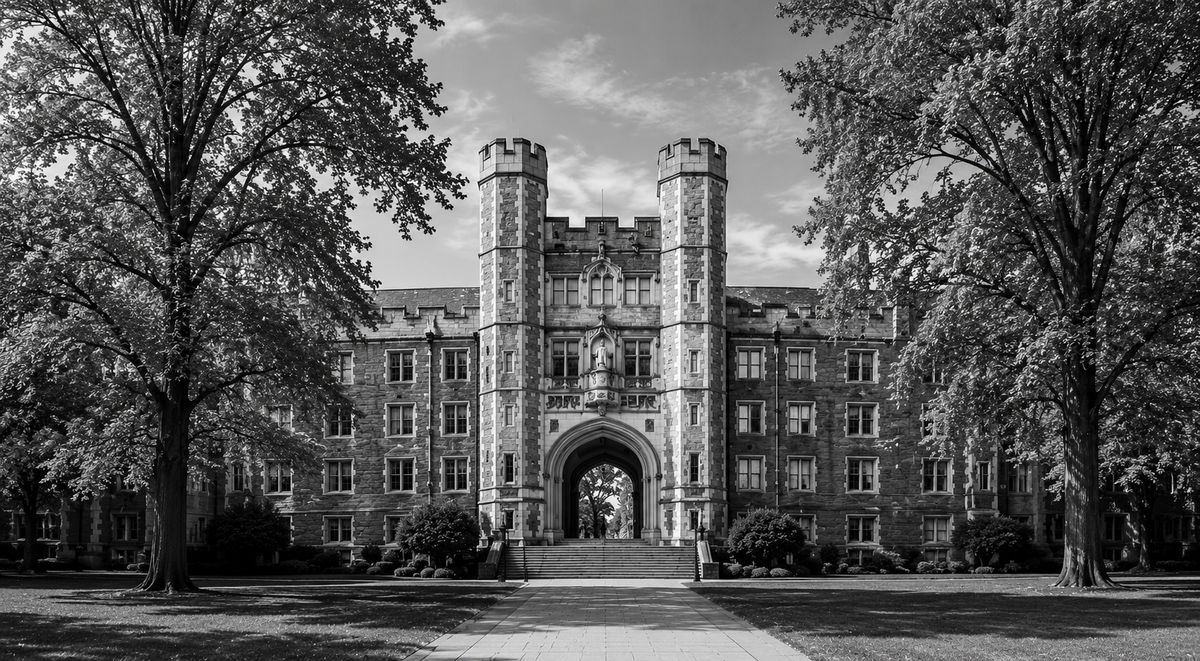
Excerpt: I am both a graduate alum of Princeton as well as an administrative staff member who worked in the Office of the Dean of the Graduate School for a decade. Although I am not a faculty member, I served for an extended period as the acting dean of the Graduate School during my time as a staff member there. It is from this unusual perspective that I write to convey my dismay at the actions taken by a group of protestors towards Graduate School staff in Clio Hall on Monday of this week.

Nonviolent and peaceful protests have a place on college campuses; such protests are an important exercise of freedom of speech and expression. However, when expression turns into mob activity that threatens and displaces staff who play no meaningful role in the matters of interest to the protestors, it crosses a line.


Click here for link to full article

Leave a comment

Comments will be approved before showing up.


Also in Princeton Free Speech News & Commentary

Civic Education Centers Are Booming. The AAUP Wants Them Gone.

By Tal Fortgang ‘17 July 14, 2026 6 min read

Faith in higher education continues to plummet, and the American Association of University Professors (AAUP)—the nation’s leading organization representing faculty interests and a longstanding voice on academic freedom and university governance—has decided to train its guns on the growing movement to establish civic education centers at public universities. The AAUP’s objections amount to a single, unlovely demand: we get to decide what students learn, and nobody else gets a vote.

Read More
Is Anthropology Hopelessly Politicized?

Stephanie M. Lee July 14, 2026 1 min read

Six days after the report went online, the AAA fired back with a full-throated defense. “Anthropologists welcome rigorous critique of the discipline,” wrote its president, Carolyn M. Rouse. “What we cannot accept is a sweeping verdict about anthropology’s intellectual culture, scholarly practices, and professional norms built on selective evidence and issued without consultation. 

Read More
Princeton’s Return to Proctored Exams Reflects Changing Times

Julie Bonette July 07, 2026 1 min read

Since faculty voted in may to proctor in-person exams, national news outlets and some alumni have decried the end of Princeton’s 133-year-old tradition of unsupervised testing, but students, faculty, and recent graduates say the conversation within the campus community has been mild.

Read More