by Eleanor Clemans-Cope, The Daily PrincetonianJanuary 18, 20231 min read
byEleanor Clemans-Cope,The Daily Princetonian
George F. Will GS ’68 recently took to the pages of the Washington Post, where he is a regular columnist, to announce to the world that wokeness at Princeton is destroying free speech.
by Stuart Taylor, Jr., Co-founder, Princetonians for Free Speech
Published in National Review
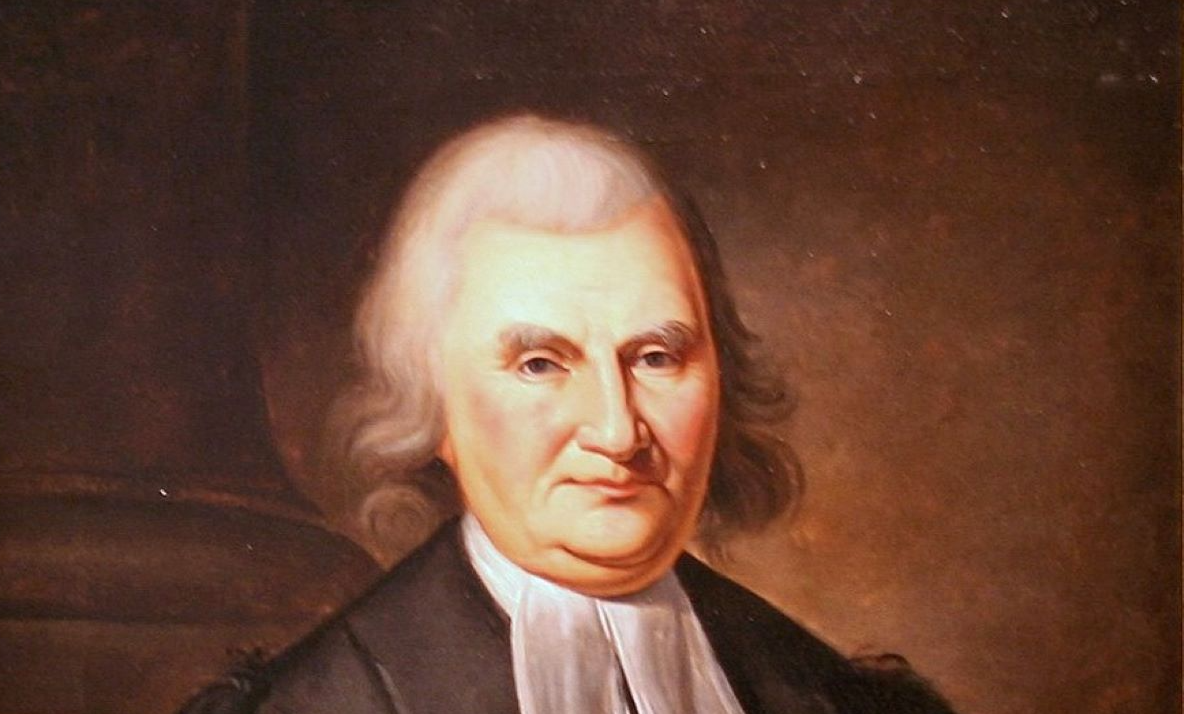
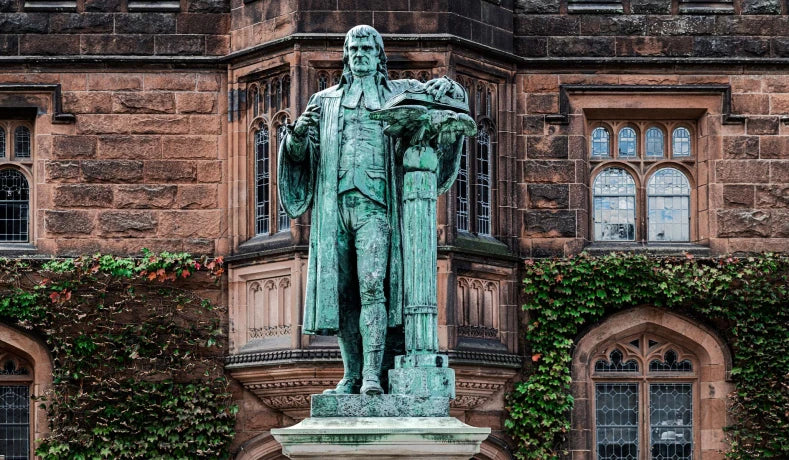
After the woke take down Witherspoon, if they succeed, who might be next? Maybe President (of the United States) James Madison, Founding genius and drafter of the First Amendment? A Princeton graduate (1771), Madison stayed on an extra year to study under Witherspoon and lends his name to the university’s James Madison Award for Distinguished Public Service. He had far more than two slaves. Would Princeton spare the two iconic paintings of George Washington — with his hand on a cannon and with the College of New Jersey, as Princeton was then known, in the background during the Battle of Princeton, and at ease after winning it — by Charles Willson Peale, who himself experienced the battle firsthand?January 14, 20231 min read
by Stuart Taylor, Jr., for National Review
After the woke take down Witherspoon, if they succeed, who might be next? Maybe President (of the United States) James Madison, Founding genius and drafter of the First Amendment?
Squalls of indignation gust across campuses so frequently that they seem merely performative — synthetic, perfunctory, uninteresting. Princeton’s current contretemps, however, fascinatingly illustrates how wokeness, which lacks limiting principles, limits opposition to itself.
EXCERPT: PFS will make the following points: 1. The process being followed by the Committee does not, and cannot, provide a true view of what Princetonians think on the issue in question because the atmosphere on campus greatly inhibits students, faculty, and others from stating their true views, especially where highly politicized issues are involved. 2. The debate over whether to remove the statue is not an isolated one, but rather has implications for other issues, most importantly, for free speech. 3. Removal of the statute would inevitably lead to petitions and demands to remove or rename other parts of Princeton’s history in a process that may never end. 4. Looked at more broadly, this continuing process of removing and renaming is an attempt to remove Princeton’s history, with all its complexity, in order to create a new university with a monolithic view that would make nonconforming views unwelcome.December 27, 20221 min read
PFS will make the following points: 1. The process being followed by the Committee does not, and cannot, provide a true view of what Princetonians think...