
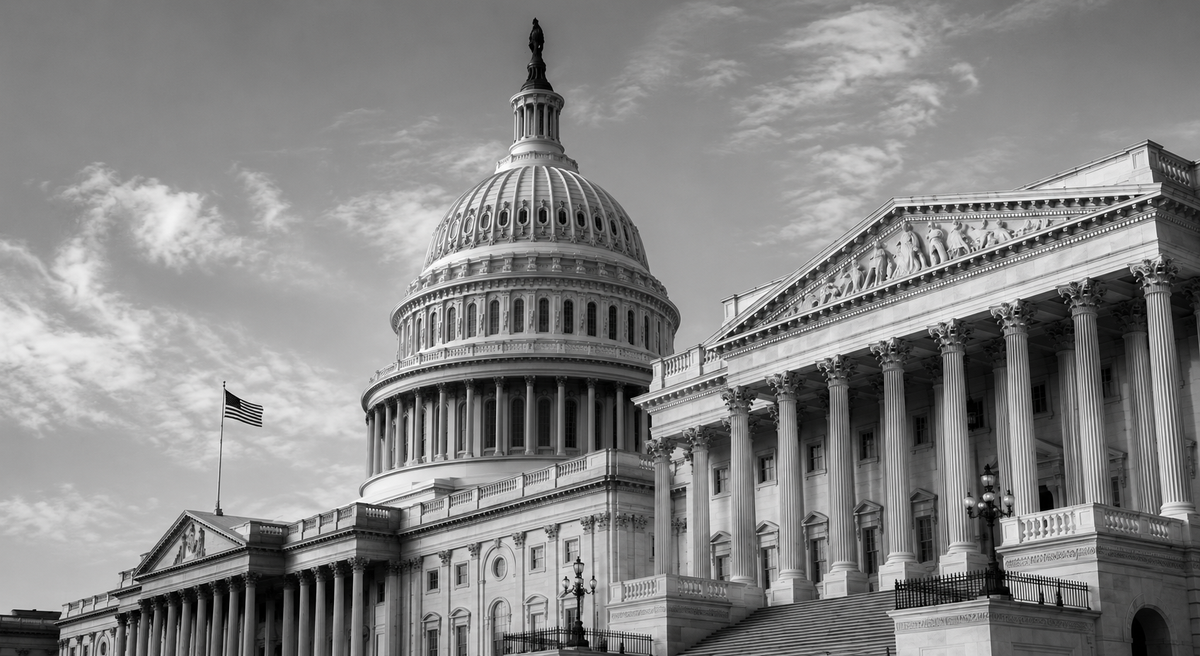
by Olivia Sanchez, Daily Princetonian
Executive Director of the American Civil Liberties Union (ACLU) Anthony Romero ’87 discussed the importance of the First Amendment at the final Princeton Progressive Law Society (PPLS) event of the 2022-23 academic year.
This is the second major event that the group has hosted recently emphasizing the importance of free speech. University President Christopher L. Eisgruber ’83 spoke last week with PPLS advocating for free speech as a progressive value.
Comments will be approved before showing up.
After studying engineering at Rutgers, Rami Elghandour began chasing a problem that has haunted medicine for decades — how to teach the body to kill cancer cells without destroying itself in the process. This spring, his biotechnology company, Arcellx, unveiled a treatment that moves the science closer to that goal than ever before. In conference halls and investor calls, the reaction bordered on astonishment. Last month, Gilead Sciences bought Arcellx in a deal valued at $7.8 billion.
So it was no surprise when Rutgers invited Elghandour to give the engineering school’s graduation speech this year. But the speech was promptly canceled after students (about five of them, Elghandour estimates) complained about remarks he’d made on social media.
Last month, Yale University released a striking report acknowledging that public trust in higher education is eroding — and that universities themselves bear responsibility. The report’s authors offer a candid recognition of the depth of this crisis, citing a recent Pew Research Center poll indicating that 70% of Americans believe higher education is heading in the wrong direction.
Reports like Yale’s point to real issues: cost, transparency and questions about academic culture. But recognition is not the same as a reckoning.
A majority of Yale University faculty members say their academic freedom has decreased in recent years, and half fear losing their jobs for teaching about controversial topics, according to a survey released today.
Of the 177 faculty members surveyed by the Yale chapter of the American Association of University Professors, 68.4 percent said their academic freedom has “decreased somewhat” or “decreased a great deal” since January 2025. About a third reported that their academic freedom has remained the same, and one respondent said their academic freedom has increased.